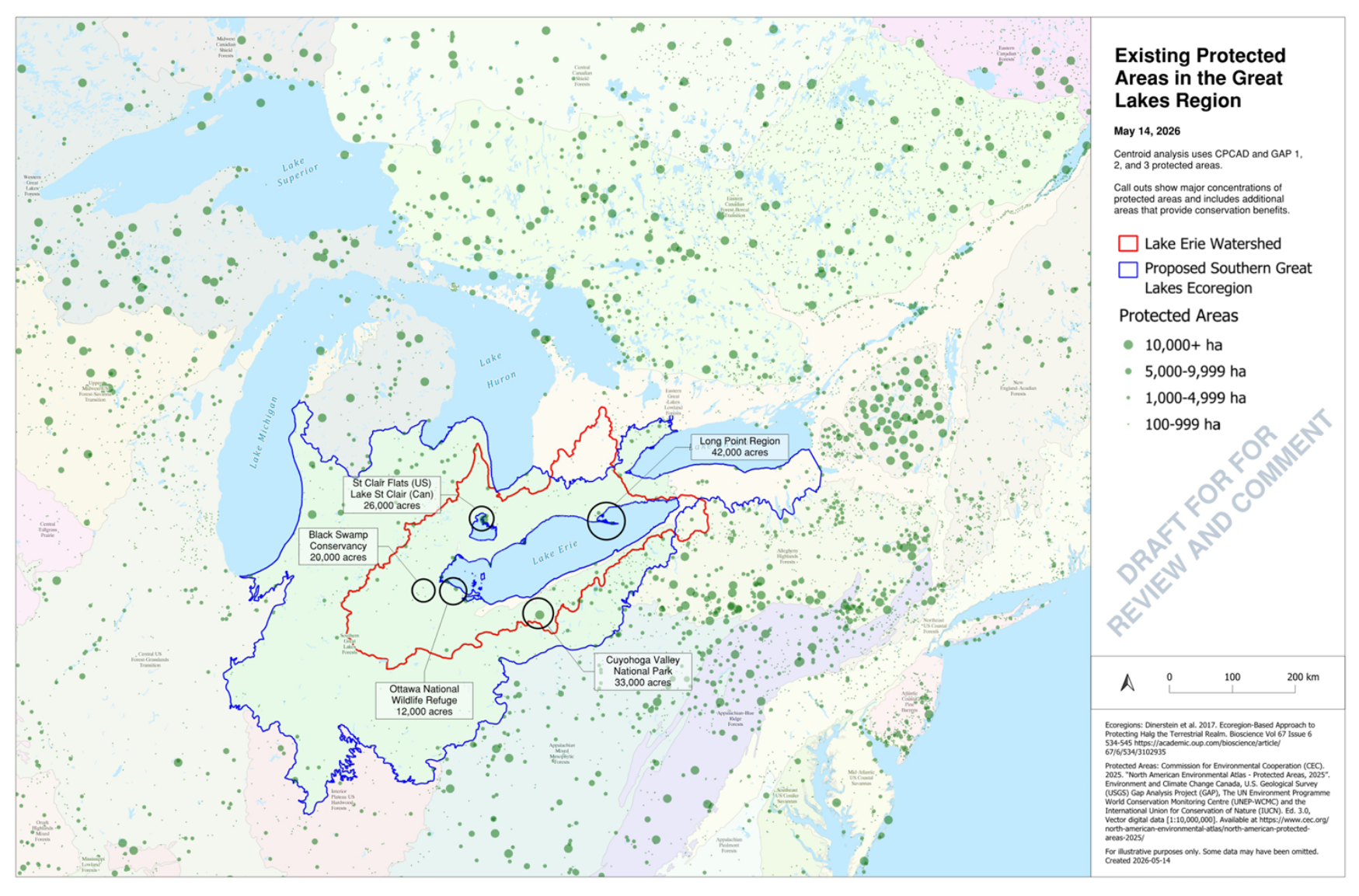
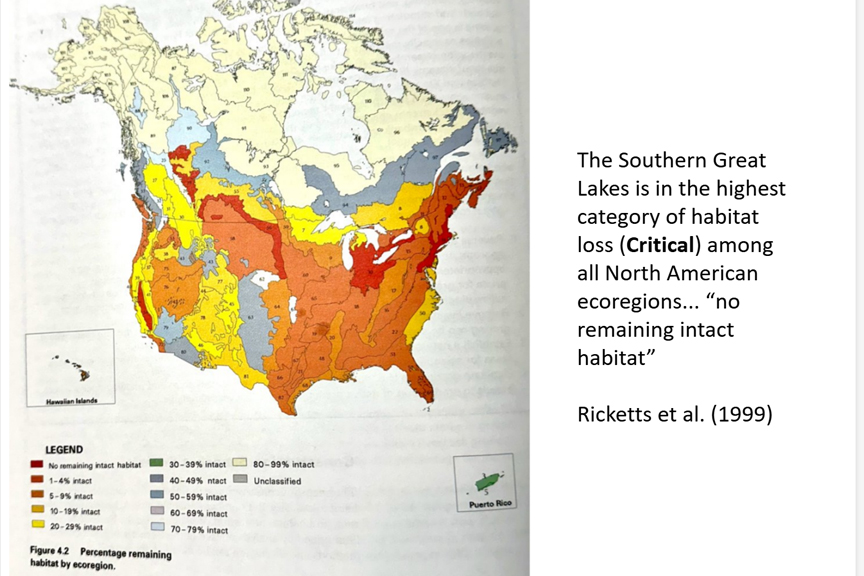
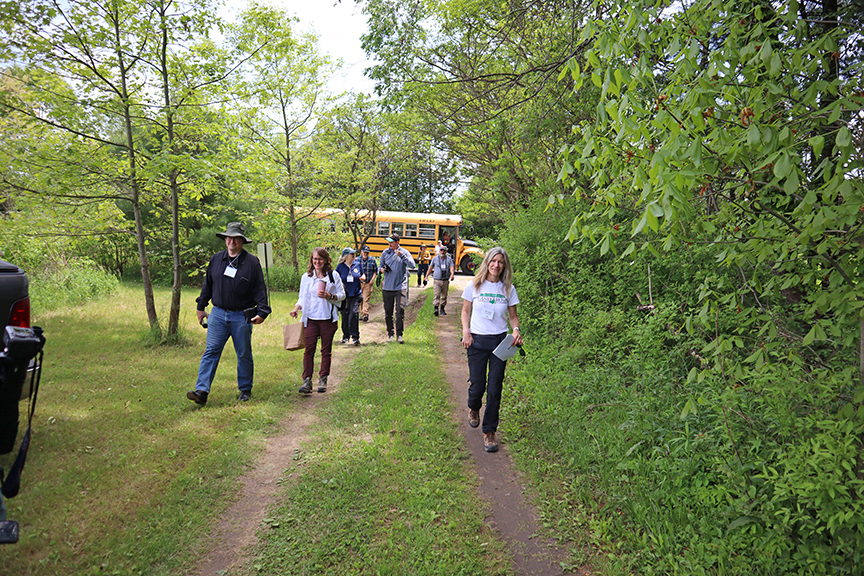
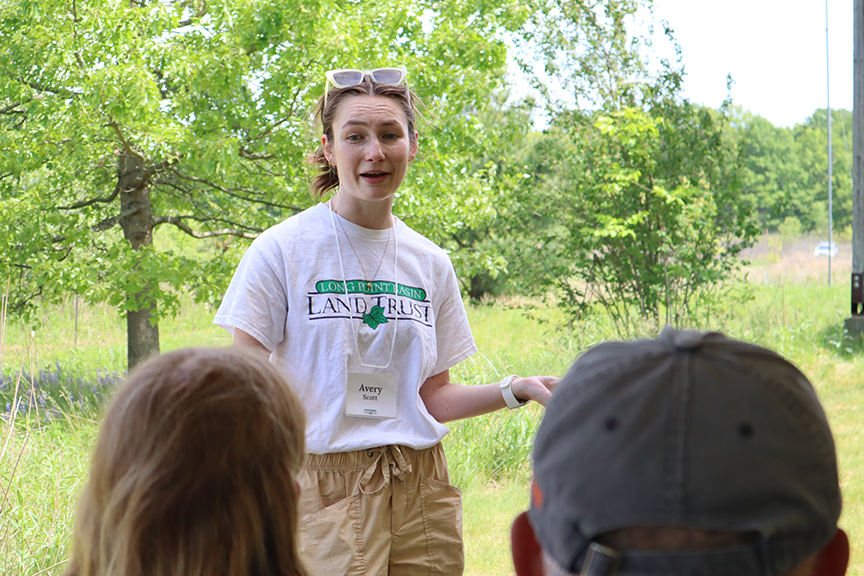
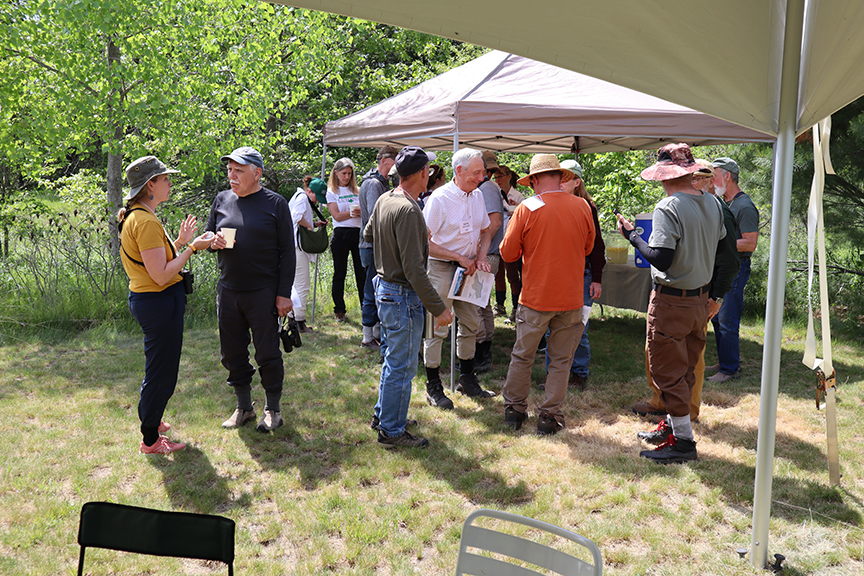
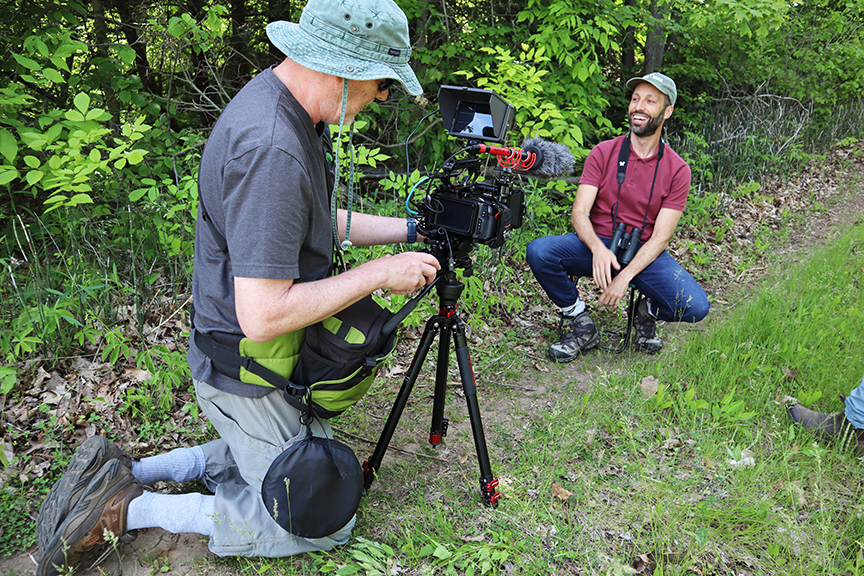
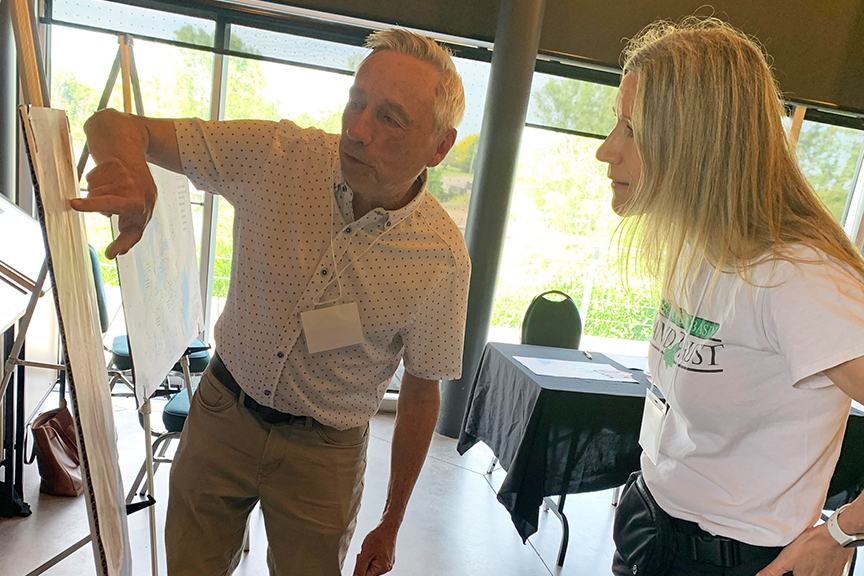
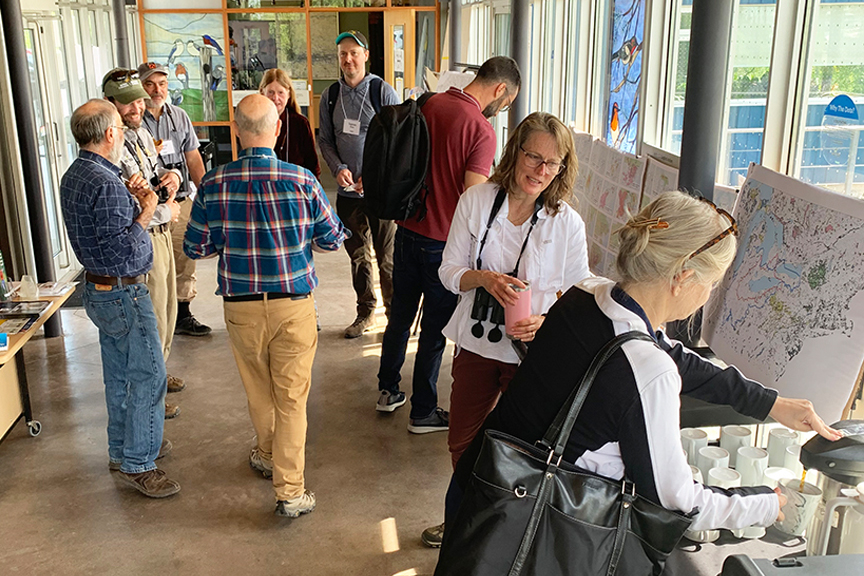
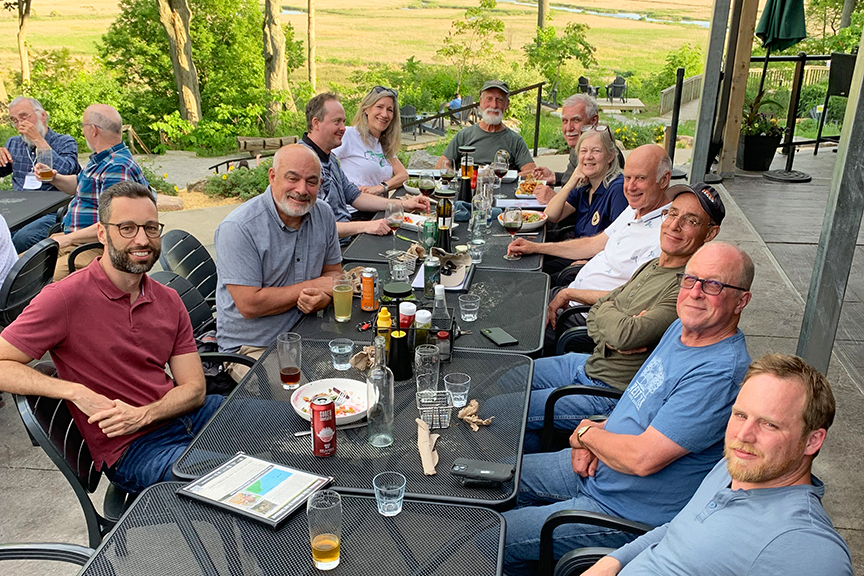
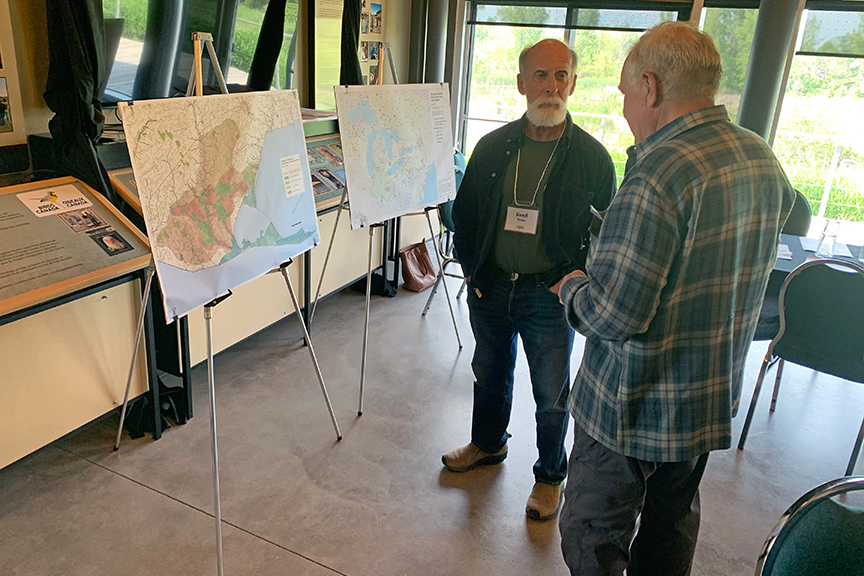
On June 4, 2026, Long Point Basin Land Trust hosted conservation leaders and researchers at Birds Canada’s headquarters in Port Rowan to explore a bold vision for the future of conservation in the Long Point region and across the Southern Great Lakes ecoregion – a globally recognized Conservation Imperative with irreplaceable biodiversity. Only about 2% of this ecoregion is protected and just 10% is in natural cover.
Why Long Point?
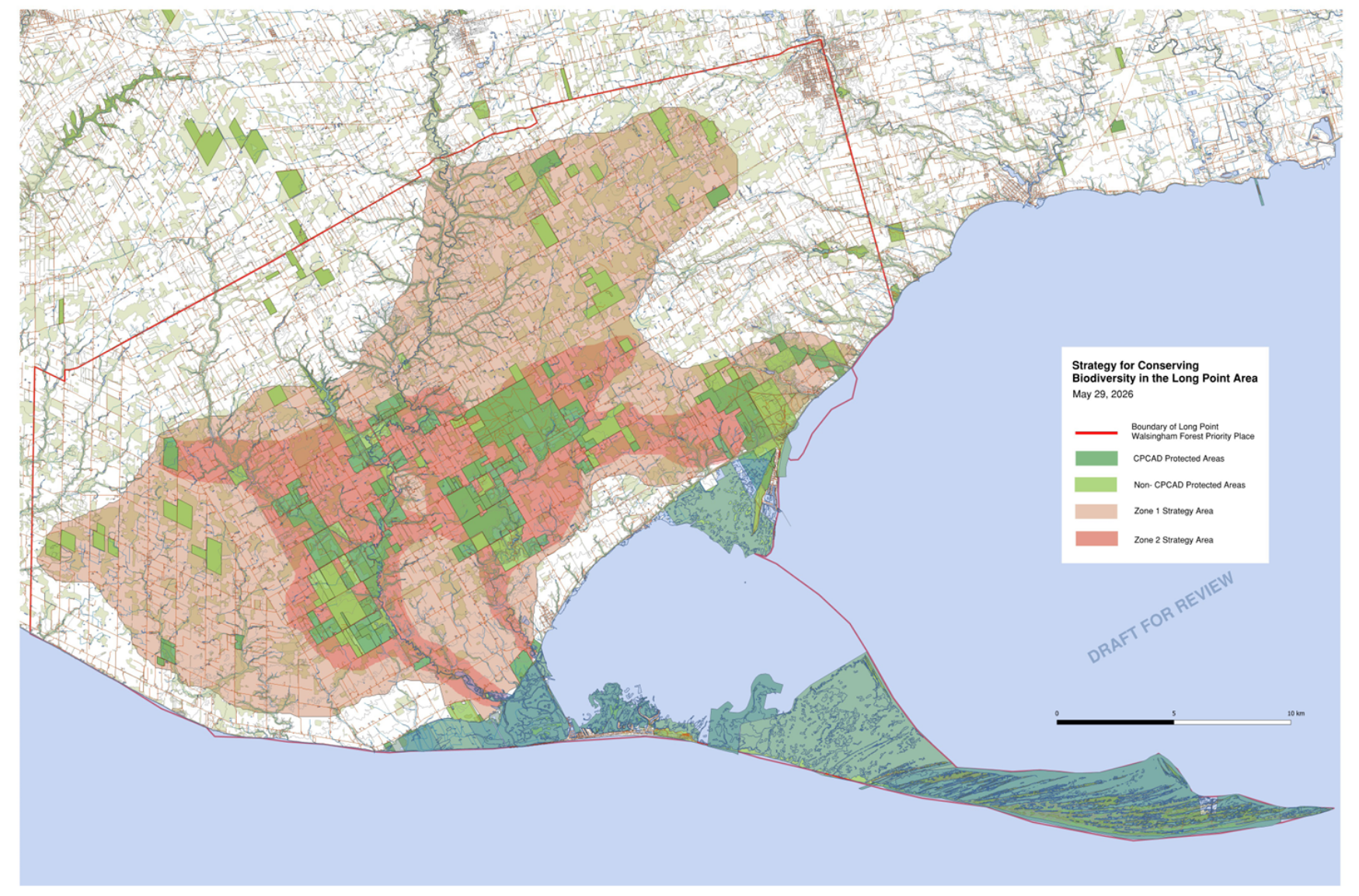
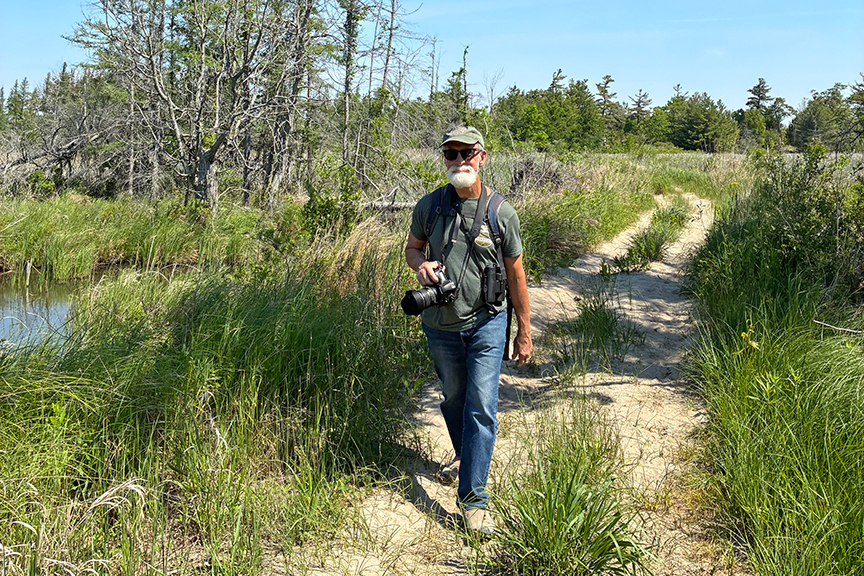
The Long Point region is internationally recognized for its biodiversity and ecological significance. Home to a UNESCO World Biosphere Reserve, wetlands of international importance, critical migratory bird habitat, and 2 Key Biodiversity Areas, the region supports an extraordinary concentration of species and habitats. Long Point has a long history of strategic conservation investment to protect core habitats and connecting corridors. This area can serve as a key refuge for biodiversity and an anchor of habitats in one of the most heavily altered ecosystems in North America.
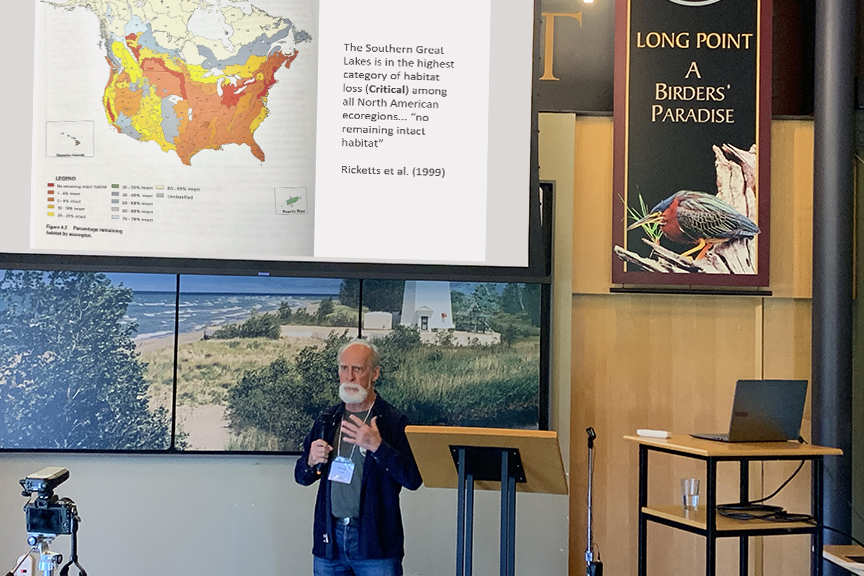
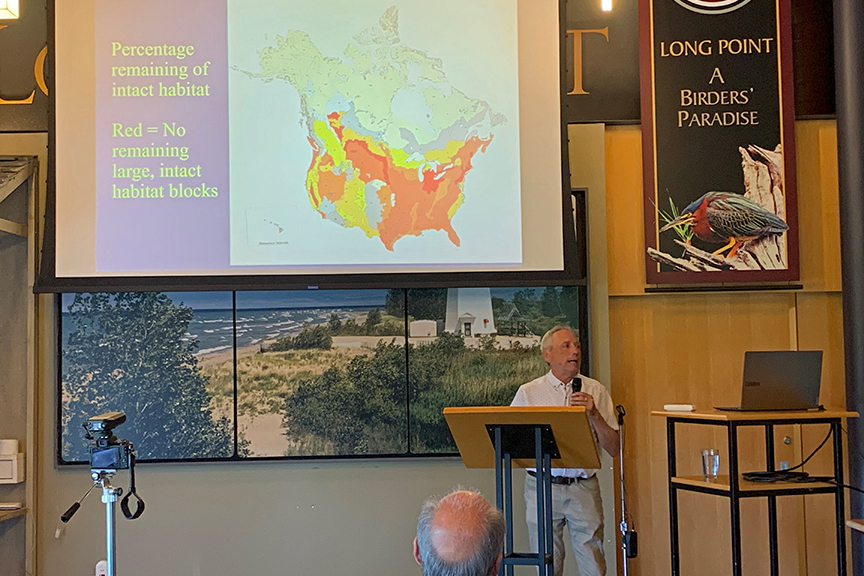
Keynote Presentation: Regional Landscape Conservation Planning
Conservation biologist Dr. Reed Noss shared lessons from decades of landscape-scale conservation planning across North America. His presentation highlighted the importance of: protecting large core natural areas, connecting habitats across the landscape, restoring ecological function, planning conservation at multiple scales, building resilience in the face of climate change. Dr. Reed shared examples of other large-scale conservation initiatives, from Florida, and ‘Yellowstone to Yukon’, that demonstrated how long-term visions can unite partners and create lasting conservation outcomes.
“At least 230 terrestrial and freshwater species have their centers of distribution in this region, with many restricted to the Southern Great Lakes.”
Growing Hope in a Changing Landscape
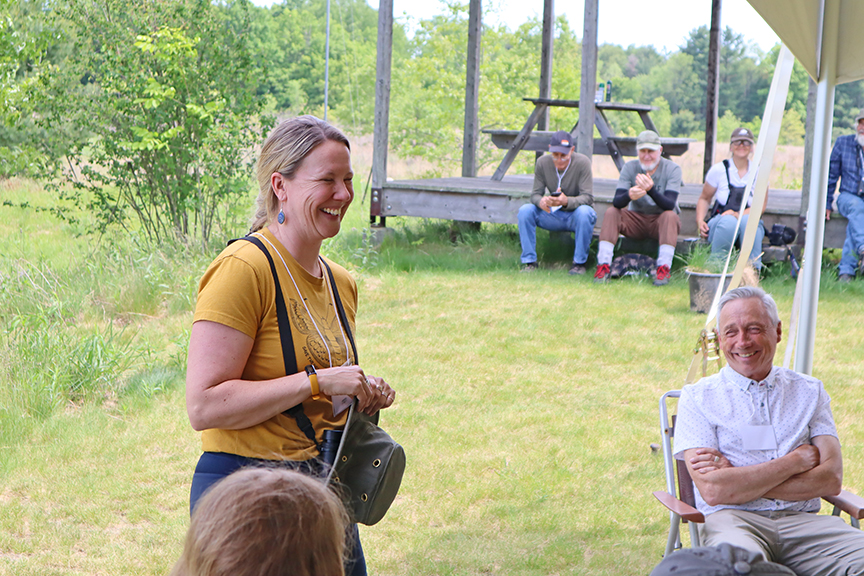
Forum participants also heard from Kevin Kavanagh of South Coast Gardens, an accomplished botanist, conservation practitioner, and educator, who shared observations on how climate change is influencing the distribution of species across the region, with many plants and animals gradually shifting their ranges northward… “Plant and animal behaviour informs changes in the climate.” While acknowledging the scale of the biodiversity and climate challenges facing society, Kevin emphasized nature’s remarkable resilience when given the opportunity to recover.
He highlighted how individuals and communities can play a meaningful role in supporting biodiversity through simple actions such as planting native species, creating pollinator habitat, reducing invasive species, and improving habitat connectivity at a local scale. His presentation reinforced an important theme of the forum: while large-scale efforts are essential, collective action at every scale, from regional conservation planning to backyard habitat restoration, can contribute to healthier, diverse ecosystems and inspire people into action.
A Vision for Long Point and the Southern Great Lakes
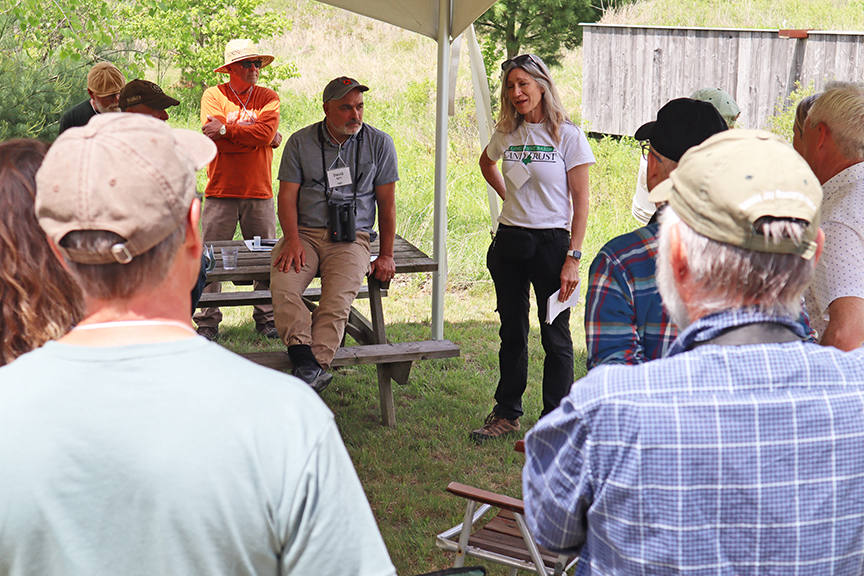
The final presentation was delivered by Wendy Cridland, Executive Director of the Long Point Basin Land Trust, who shared an emerging vision positioning Long Point as an anchor within a connected Southern Great Lakes conservation network. The Long Point area can become the largest concentration of protected and conserved lands in the Southern Great Lakes, forming a connected and resilient landscape that supports thriving biodiversity, sustains human communities, and serves as a model for restoring fragmented ecosystems. Wendy’s presentation highlighted three key habitats:
- Forests and Treed Swamps – Protecting and expanding large forest blocks and interior forest for species such as Prothonotary Warbler, Wood Thrush, Cerulean Warbler, and rare turtles.
- Wetlands and Waterways – Protecting and connecting corridors for species movement including Eastern Foxsnake and aquatic species while improving water quality and reducing extreme weather impacts.
- Prairie and Oak Savanna – Restoring some of Ontario’s rarest open country habitat for species such as American Badger, reintroduced Mottled Duskywing and Eastern Whip-poor-will.
Long Point can serve as one hub of many across the ecoregion, with collaboration needed on both sides of the border to protect, enlarge and connect key nodes and corridors over time. A next step is to explore creating a regional strategy that sets ambitious collective hectare goals towards a common vision.
Forum Takeaways
Several common themes emerged throughout the day: conservation must occur at a landscape scale, habitat connectivity is critical for long-term biodiversity recovery, restoration is as important as protection, strong partnerships already exist and can be expanded, Long Point has the opportunity to become a model and anchor for regional conservation collaboration.
What’s Next?
The Long Point Basin Land Trust will continue engaging partners, landowners, conservation organizations, researchers, and supporters as this vision evolves. Immediate priorities include:
- Solidifying goals and strategy to ensure success – Long Point and surrounding lands is one of the only places in the Southern Great Lakes where it is possible to achieve the federal government’s target of 30% of lands protected and conserved through strategic protection and restoration.
- Strengthening local partnerships – Continue to collaborate with local partners and community to protect, enhance and restore habitat
- Expanding regional collaboration – Reach out to partners across the ecoregion to explore a broader conservation vision and support initiatives at multiple scales.
Get Involved
Protecting and restoring the Long Point landscape and the Southern Great Lakes ecoregion will require collaboration across communities, organizations, and generations. Whether through conservation partnerships, land donations, volunteering, advocacy, or financial support, there are many ways to contribute to this shared vision.
—-
About Long Point Basin Land Trust
Long Point Basin Land Trust is a charitable conservation organization dedicated to protecting and restoring the rich biodiversity of the Long Point region through land conservation, stewardship, and community engagement. Since 1996, the organization has worked with landowners, donors, volunteers, and partners to conserve significant natural areas across the Long Point Basin.

