
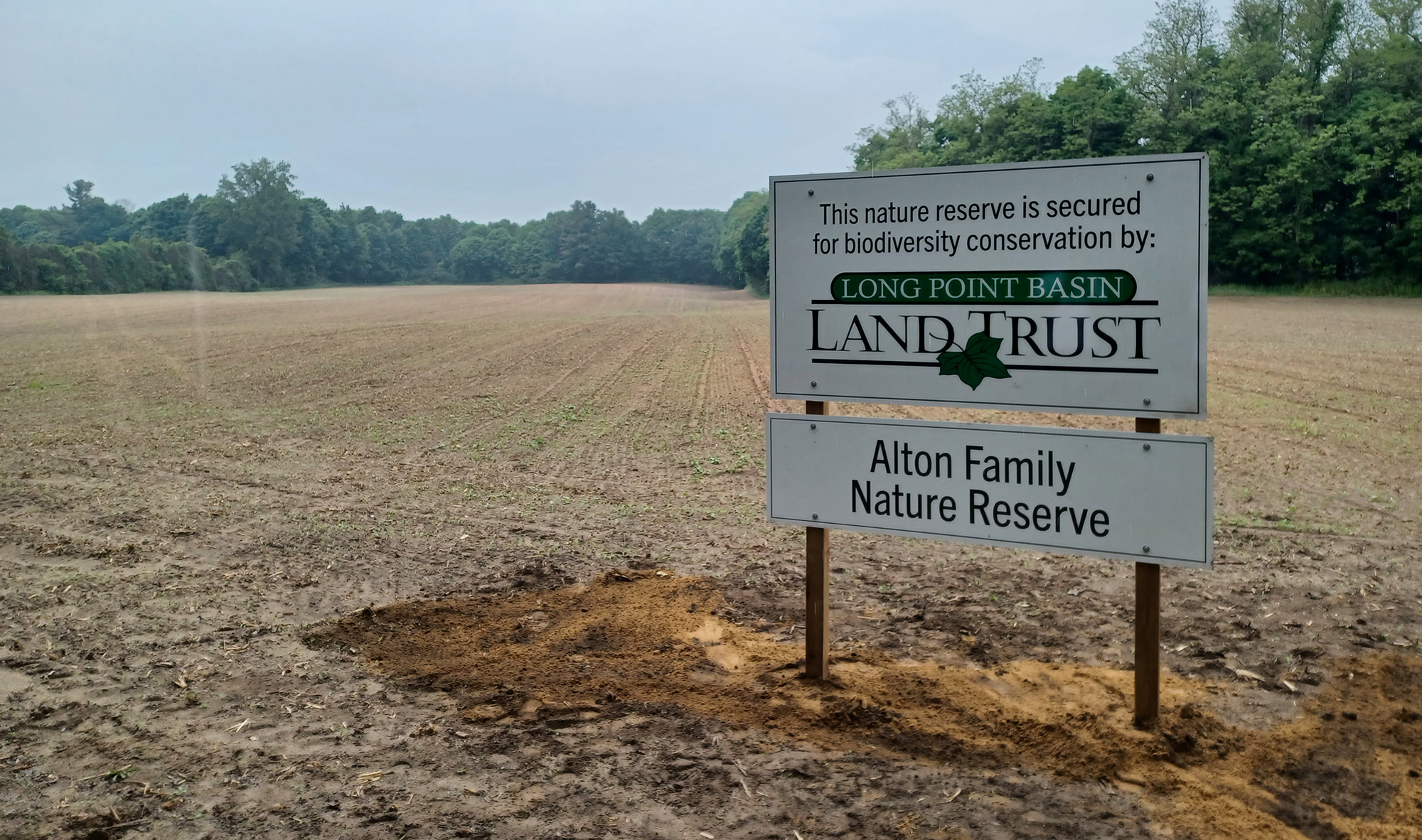
Nature restoration doesn’t happen overnight. It begins with a seed.
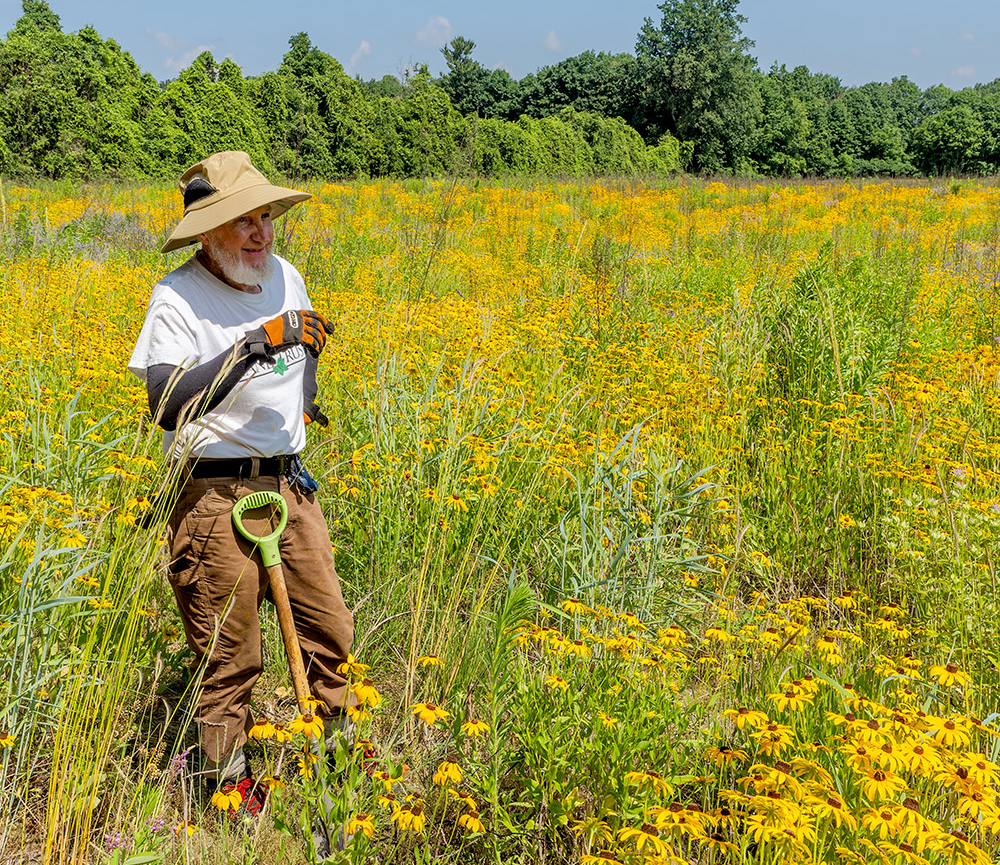
Over the past two years, the Long Point Basin Land Trust has been undertaking an ambitious ecological restoration project at Alton Family Nature Reserve, transforming former agricultural fields into habitat that will one day become a thriving native forest.
This approach, known as seed-based ecological restoration, helps nature reclaim the landscape by reintroducing the native plants that support healthy ecosystems. Rather than simply planting trees, restoration begins by rebuilding the entire plant community—from wildflowers and grasses to shrubs and future canopy trees.
Building a Living Landscape
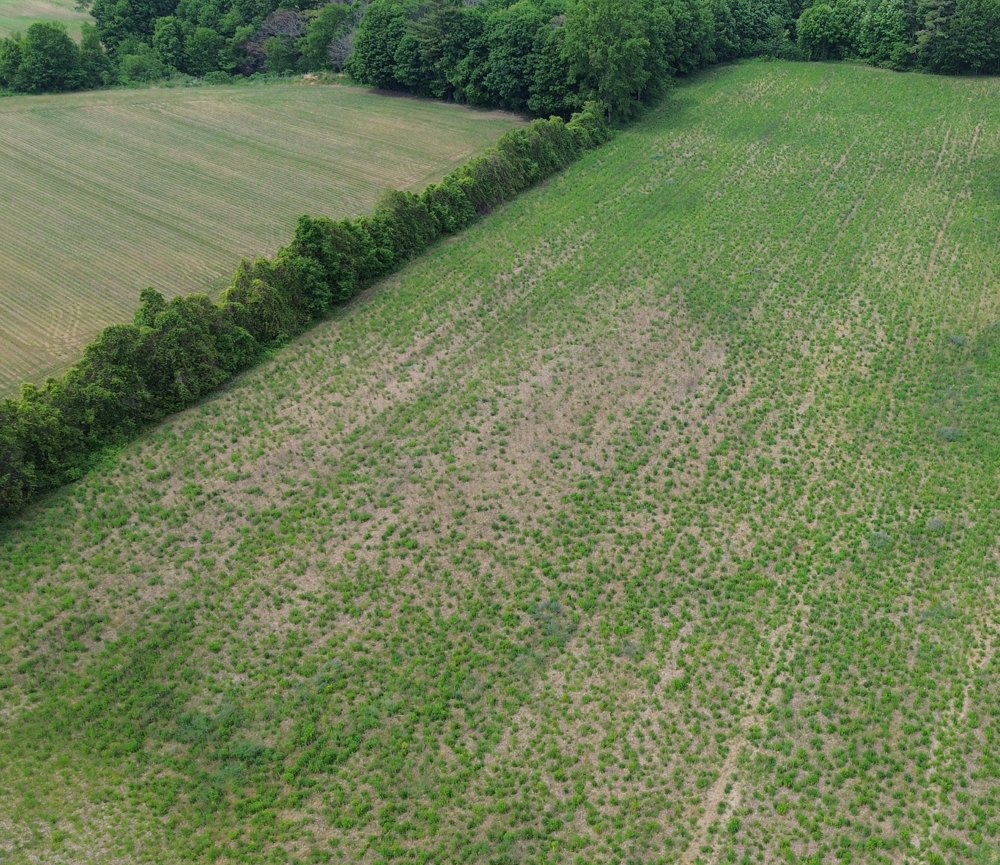
To date, restoration work has focused on three former agricultural fields across the property.
- Two northern fields were prepared and seeded in 2025.
- A third southern field was restored in 2026.
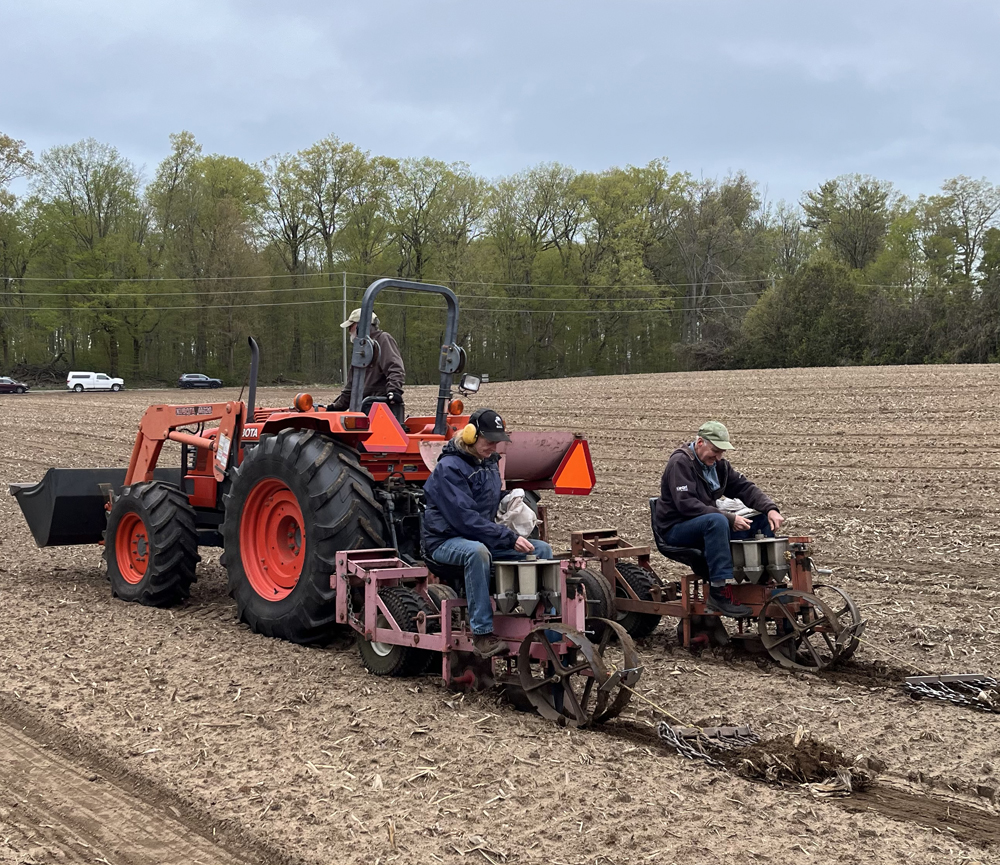
Before any seed could be sown, the land underwent careful preparation. The fields were tilled and packed to create ideal growing conditions, helping native species establish while reducing competition from invasive and agricultural weeds.
More Than Trees
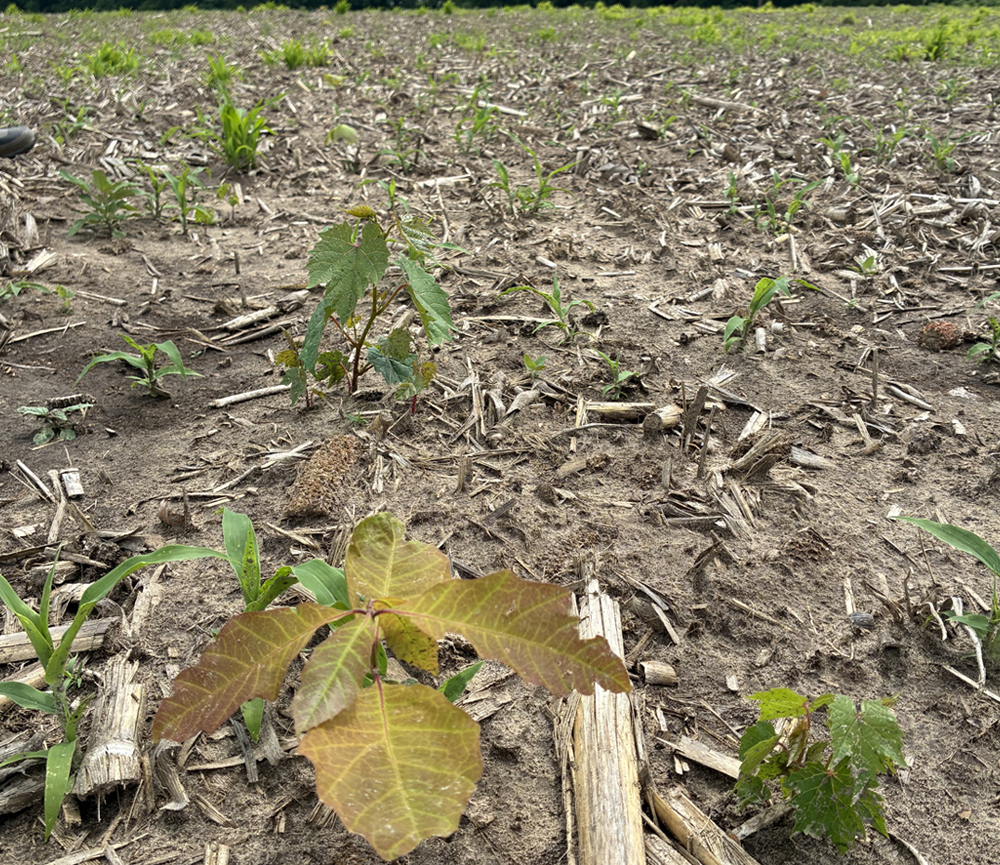
More than 60 native species have been introduced through carefully selected seed mixes, including native wildflowers, grasses, shrubs and future forest trees.
The restoration includes: native wildflowers, graminoids (native grasses and sedges), small woody species, and large woody species
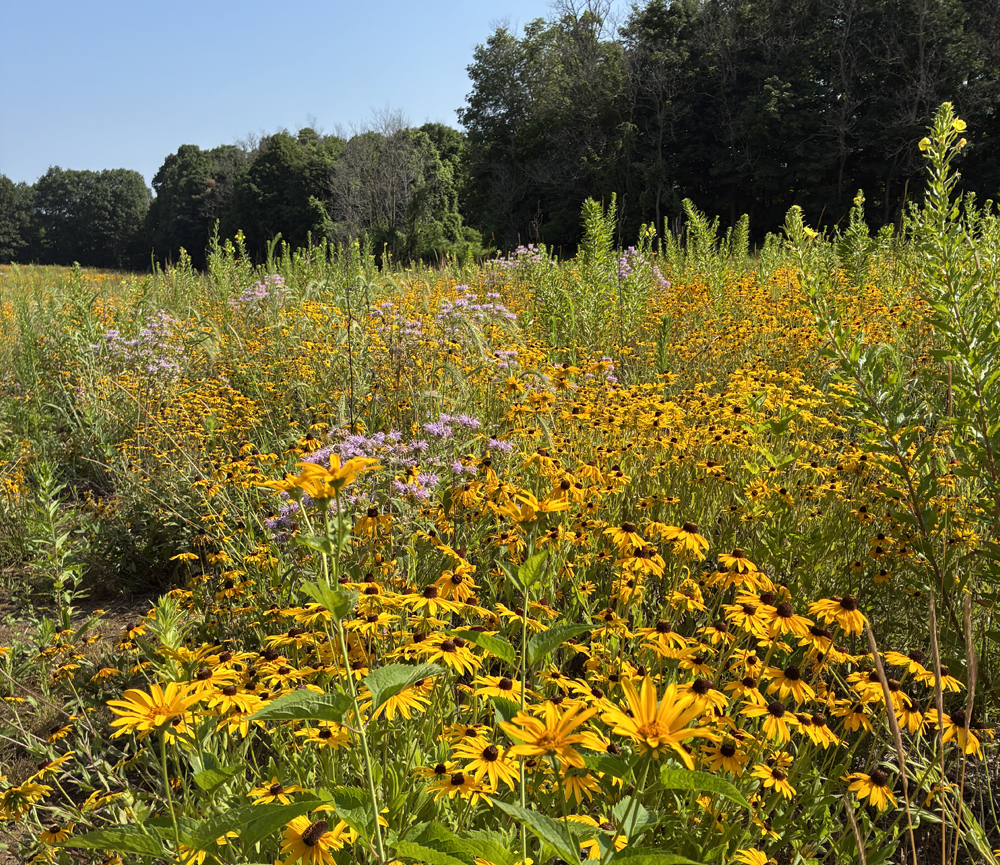
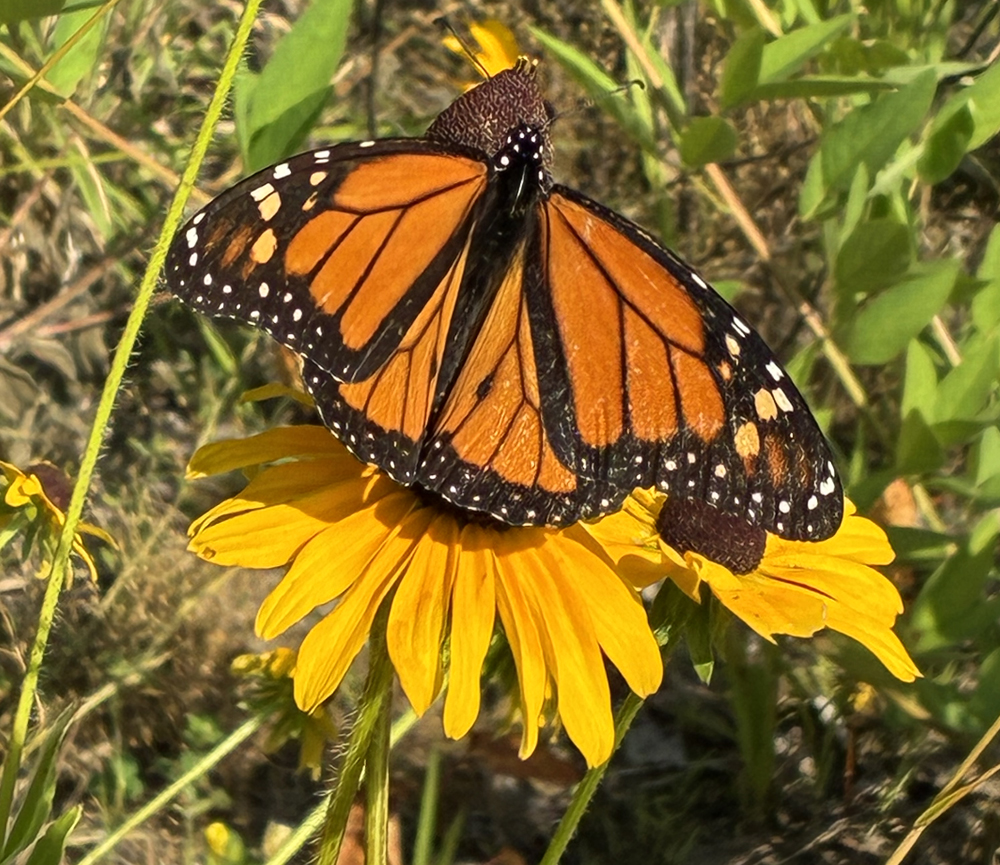
Already, colourful blooms such as Black-eyed Susan and Wild Bergamot are beginning to flourish, providing nectar for pollinators while offering an exciting glimpse of the vibrant habitat that will continue to develop over the coming years.
Each species has an important role to play. Native grasses stabilize soils, wildflowers support bees and butterflies, shrubs provide food and shelter for wildlife, and trees will eventually create the forest canopy that defines this landscape.
A Long-Term Investment in Nature
Ecological restoration is measured in decades, not seasons.
The fields will first develop into diverse native grasslands and shrub habitat. Over time, young trees will become established, gradually transforming the landscape into a healthy Carolinian forest that will support birds, mammals, reptiles, amphibians, pollinators and countless other species.
By restoring these former agricultural lands, we’re not simply planting vegetation – we’re rebuilding an ecosystem.
Restoring Nature Along the Clear Creek Corridor
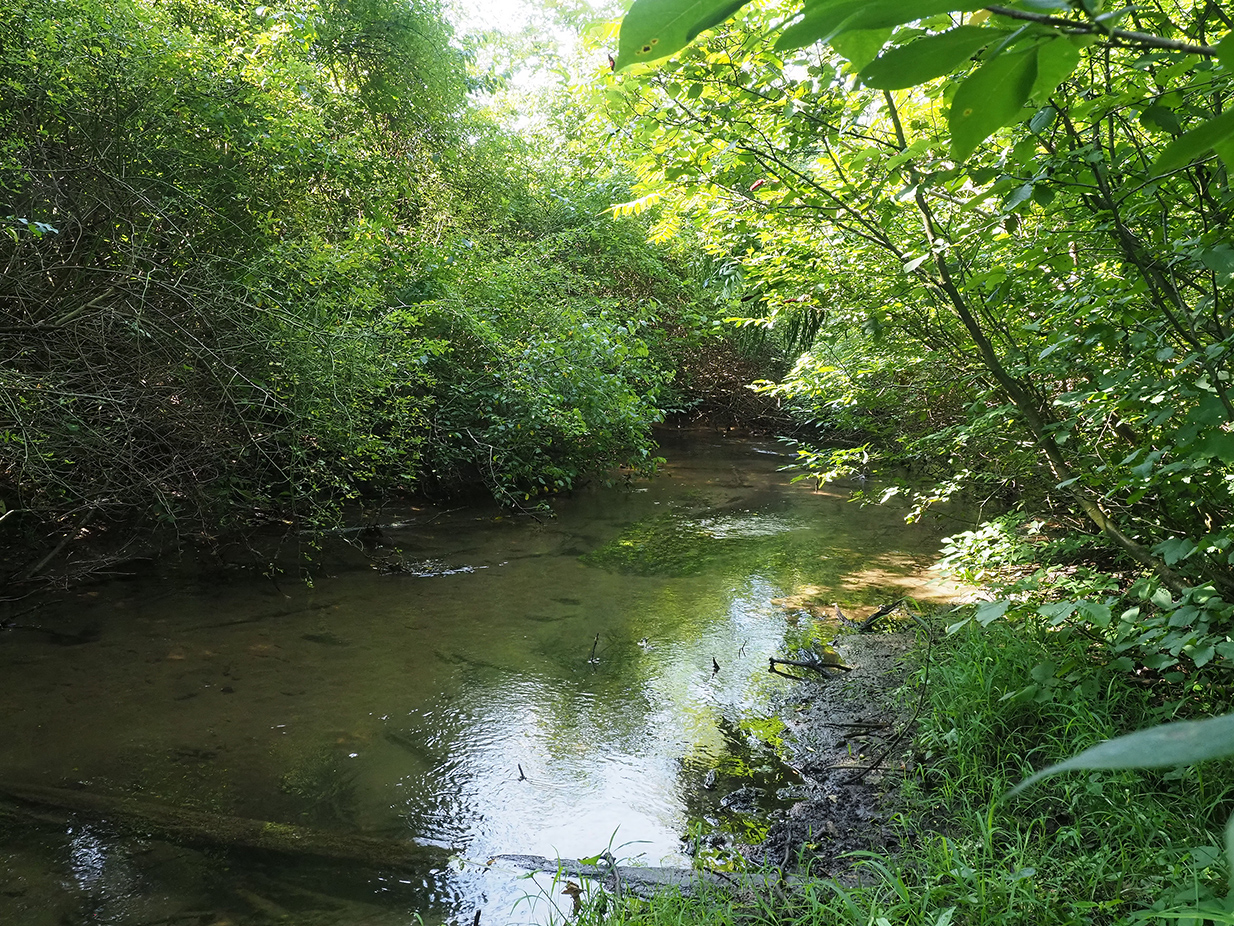
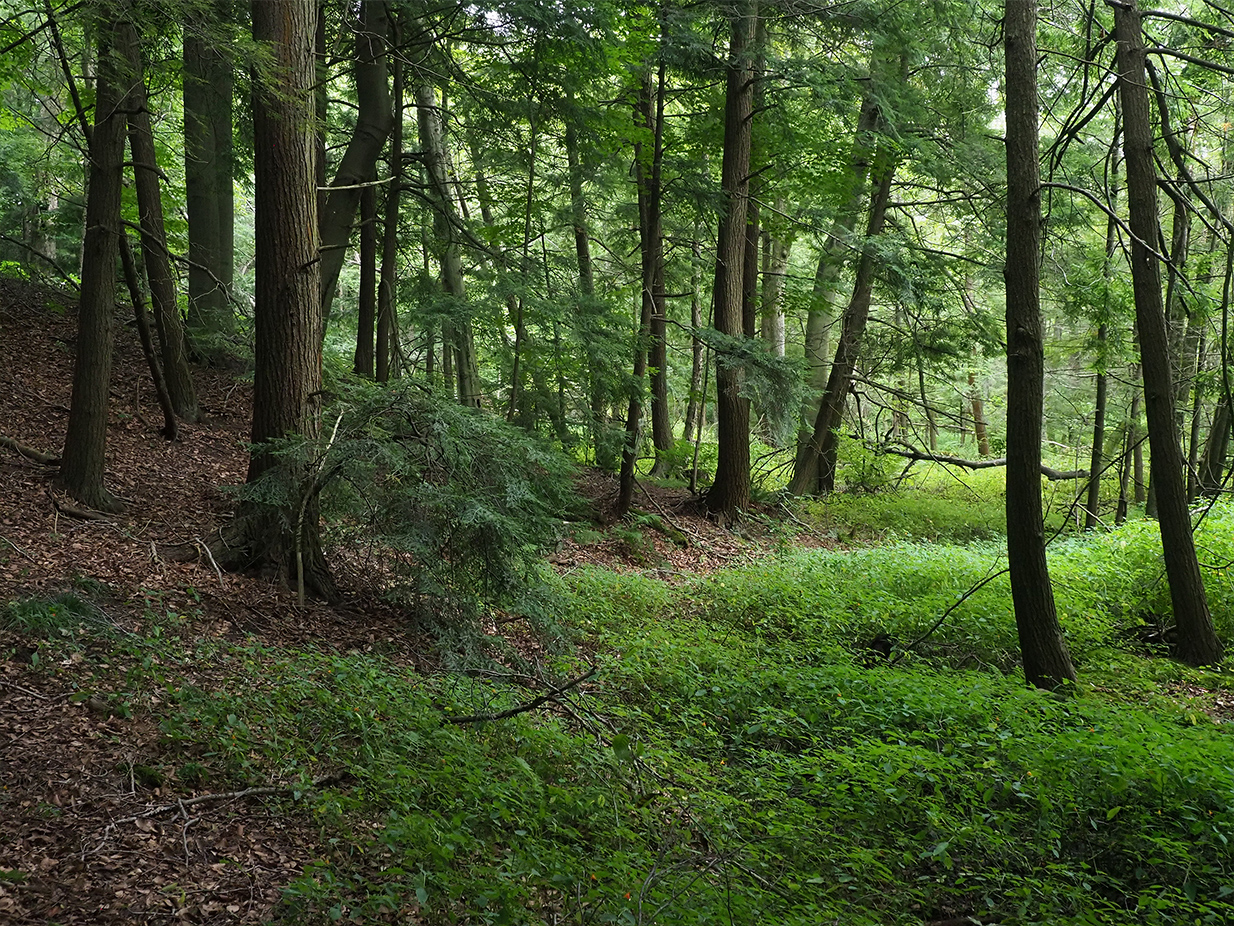
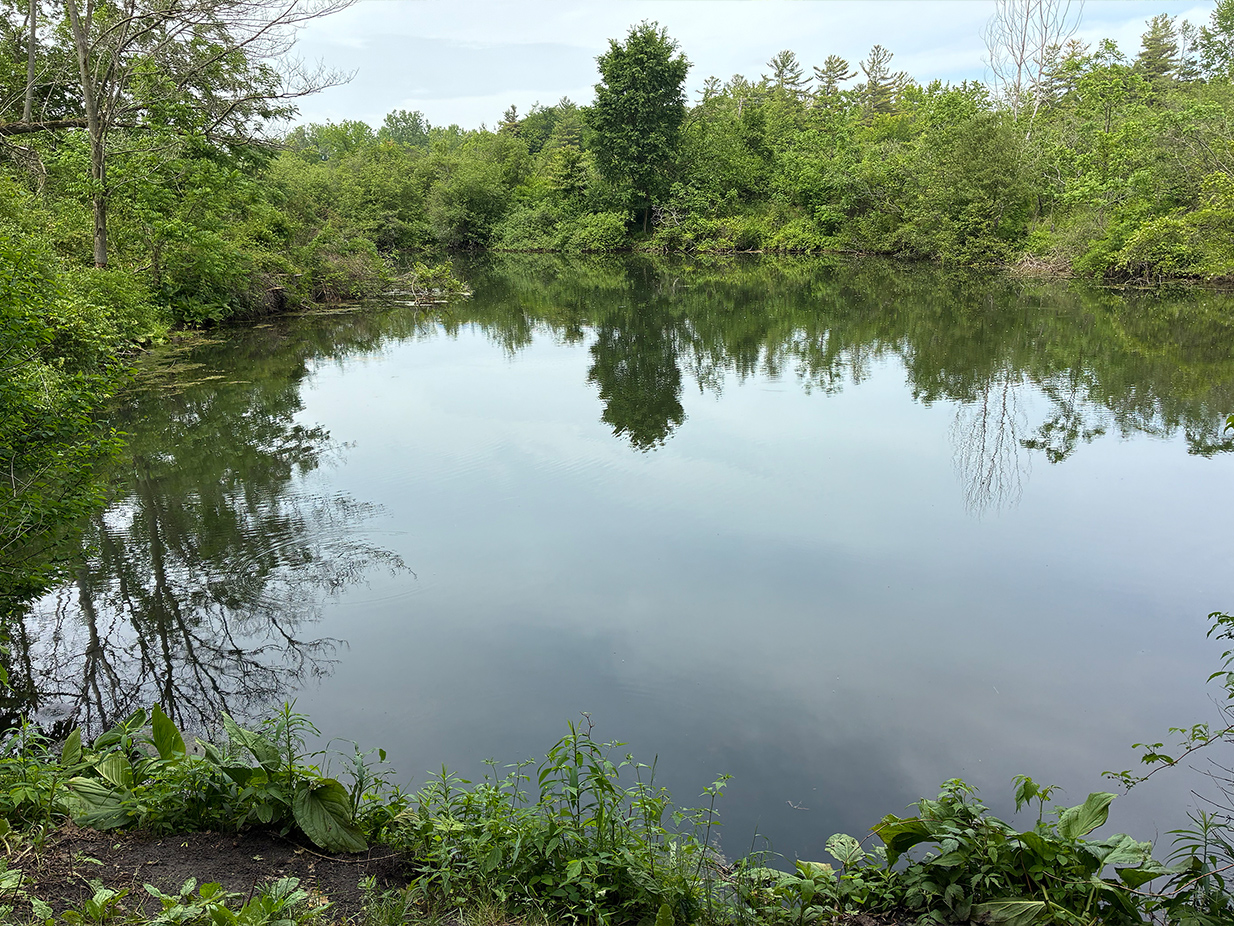
The 102.3-acre Alton Family Nature Reserve lies within one of Norfolk County’s most important natural landscapes. The property features a 48.8-acre Provincially Significant Wetland, the cold-water waters of Clear Creek, mature forest, and former agricultural fields that are now being restored to native habitat (as above described).
Together with the neighbouring Jackson Gunn Old Growth Forest, the reserve helps protect and reconnect natural cover within the Clear Creek watershed. The property is part of the Long Point Walsingham Forest Priority Place – one of Canada’s nationally recognized conservation priority areas.
Beyond providing habitat for wildlife, healthy natural landscapes also protect the health of our watersheds. Forests, wetlands, and native vegetation help filter runoff before it reaches streams, stabilize creek banks, reduce erosion, and naturally retain and store water on the landscape. These functions improve water quality, help moderate flooding during heavy rainfall, and build resilience to more frequent extreme weather events.
As native plants take root and forests gradually return, the restoration at Alton Family Nature Reserve is doing more than creating habitat, it is strengthening the ecological health of the entire Clear Creek corridor for the benefit of wildlife, water, and future generations.
Thank you to Ducks Unlimited Canada for supporting this important project.

