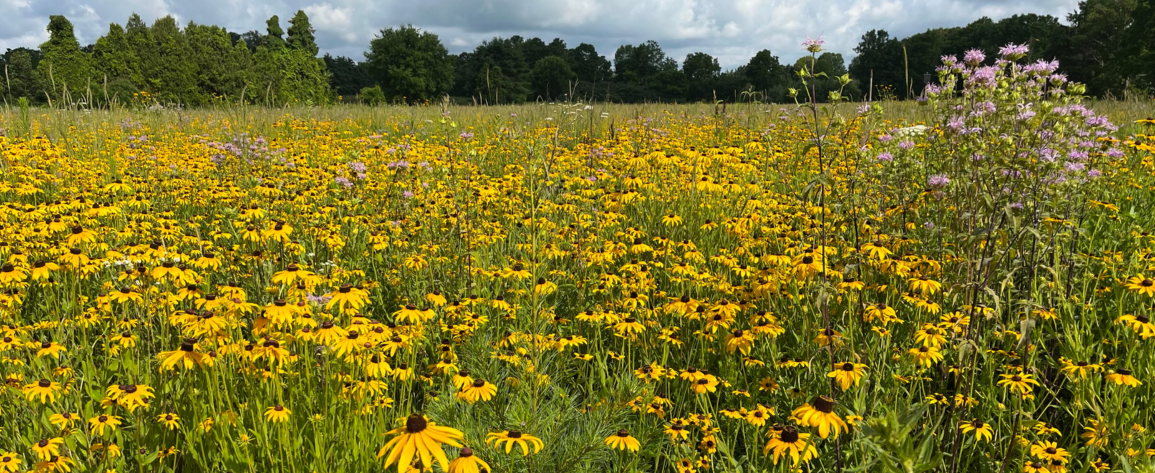
Across the Long Point Basin, healthy ecosystems begin with native plants – and native plants begin with seeds. Over the past several years, the Long Point Basin Land Trust (LPBLT) has hosted a series of native plant seed collection and seed sorting events that bring together staff, volunteers, conservation partners, and community members to support local habitat restoration.
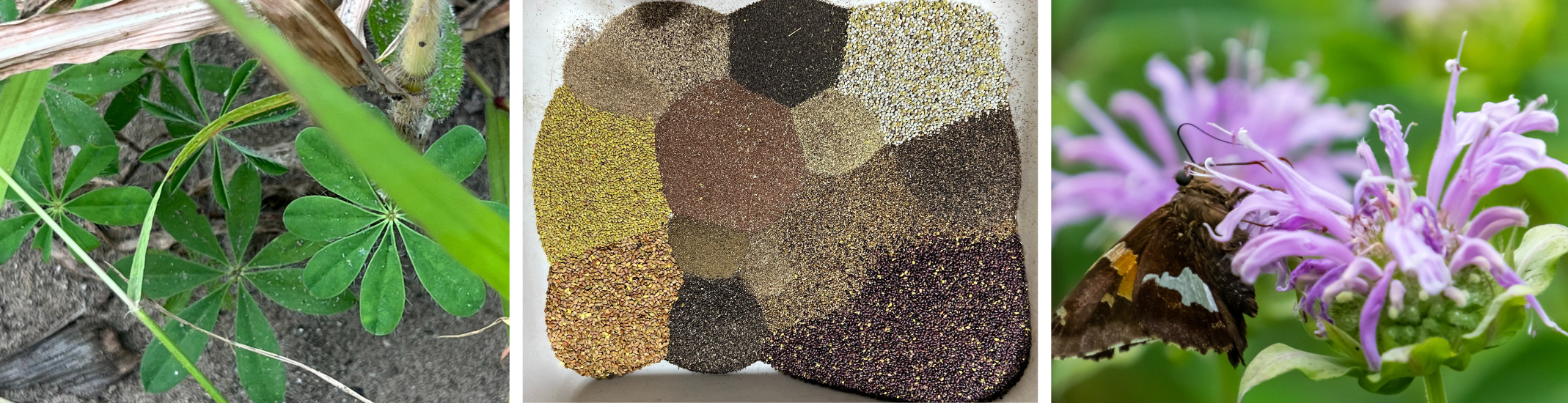
From Seed Collection to Habitat Renewal
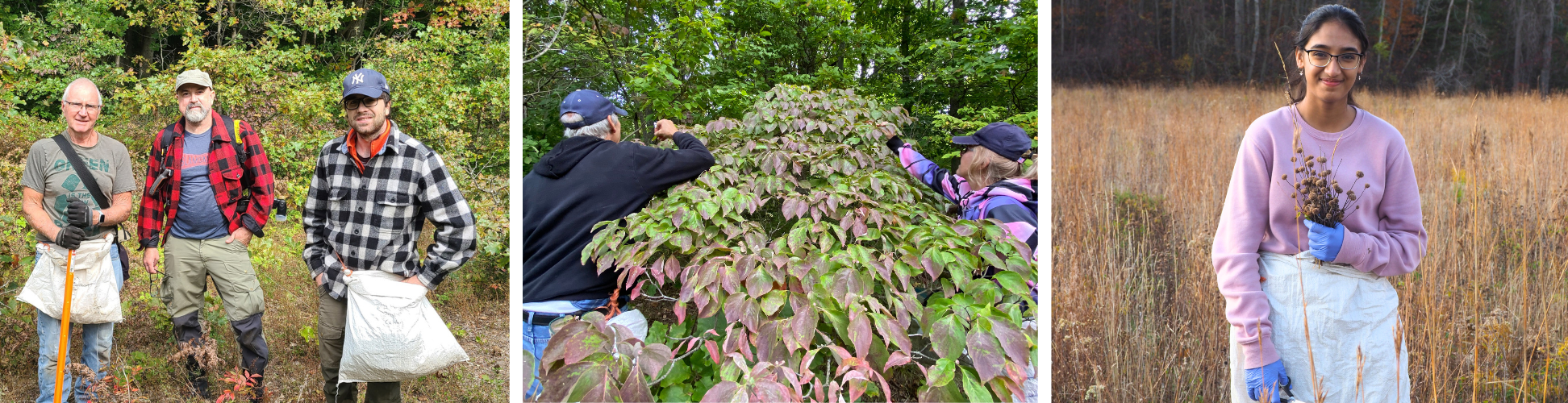
Seed collection events typically take place on LPBLT nature reserves, where participants learn to identify native plants in their natural habitats and collect seed responsibly. These outings are guided by ecological principles – collecting at the right time, in the right amounts, and from diverse plant populations – to ensure seeds can be used for restoration without harming existing ecosystems.
These field days are also an opportunity to slow down and observe the landscape more closely: noticing plant communities, seasonal changes, and the connections between species and habitat. Seeds collected during these events are destined for local restoration projects, helping to strengthen plant diversity and ecological resilience across the region.
Hands-On Learning: Seed Sorting & Processing Workshops
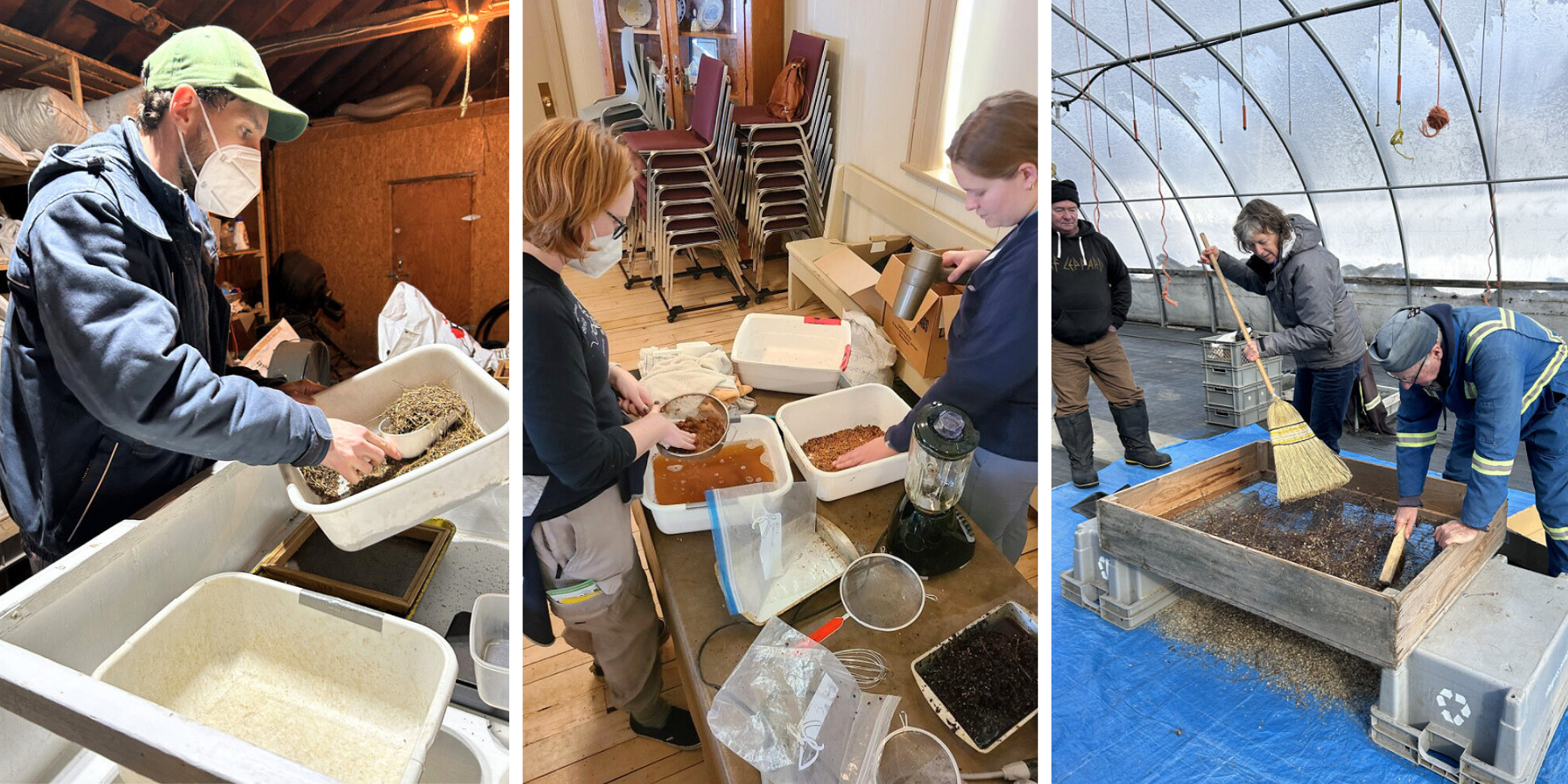
Following seed collection, LPBLT hosts indoor seed processing and sorting workshops. These events focus on the practical—and often intricate—work of preparing native seed for storage and future planting.
Participants learn a range of techniques tailored to different seed types, including hand-sorting, screening, and cleaning methods that reflect the diversity of native plants themselves. No two species are quite the same, and these workshops highlight the specialized knowledge and care required to work with native seed successfully.
Just as important as the technical skills is the shared learning environment. Small-group settings encourage conversation, questions, and the exchange of experience among participants – from seasoned restoration practitioners to those new to native plants.
Building Local Capacity for Restoration
The first LPBLT seed-based restoration workshop was held at Walsingham Hall in 2015. Since then, LPBLT’s seed collection and sorting events have helped build local capacity for habitat restoration by increasing knowledge, skills, and access to locally appropriate native seed – supporting long-term conservation across the Long Point Basin.
The most recent seed sorting workshop, held in December 2025, continued this tradition. Led by biologist and ecological restoration expert Mary Gartshore, the workshop combined an overview of habitat restoration with hands-on training in seed identification, sorting, cleaning, storage, and planting. The event was delivered with support from Carolinian Canada as part of the Southern Ontario Seed Strategy Native Seed and Plant Partnerships (NSPP).
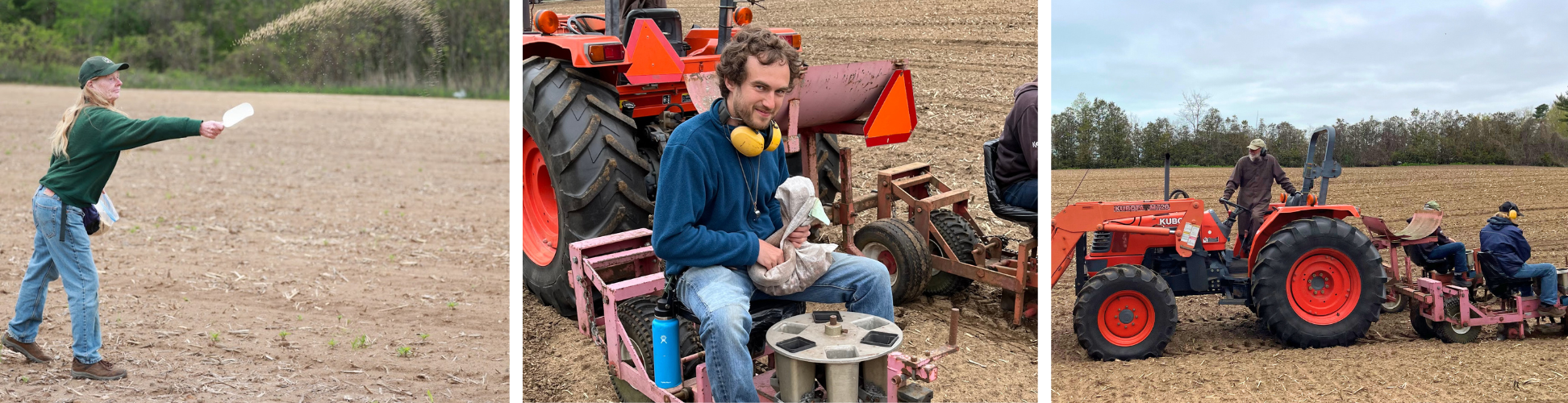
A Shared Effort
Native seed work is inherently collaborative. LPBLT is grateful to the experts, partners, volunteers, and community members who contribute their time and knowledge to these events – and to everyone helping to ensure that local landscapes can be restored using seed that is truly local.
As you explore the photos from past seed collection and sorting events below, we invite you to see this work not just as preparation for planting, but as an investment in the future health of our region’s natural spaces.